
Britain's Ceramics Industry Welcomes Government Aid But Warns More Is Needed

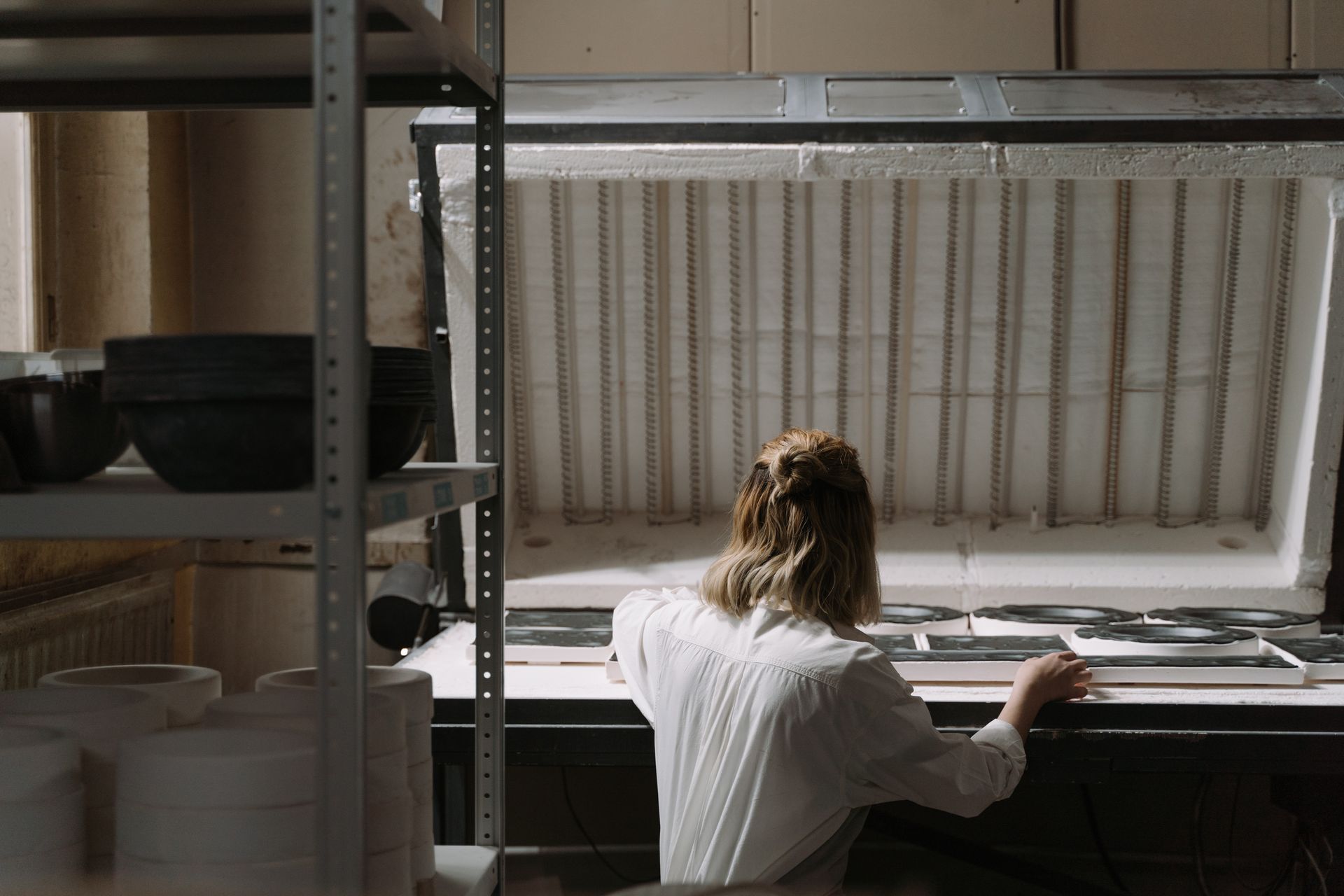
Inside Portmeirion's Staffordshire factory, skilled workers continue the centuries-old process of moulding, glazing and firing clay into the finished tableware the brand has been known for since its founding in 1960. With 433 employees, the company sits at the heart of Stoke-on-Trent, a city whose very identity is bound up in the craft, historically known as the Potteries.
That heritage, however, is under serious strain. The UK ceramics sector, which supports 20,000 jobs, half of them in the West Midlands, is being squeezed by a combination of fierce international competition, rising labour costs, and soaring energy prices. The latter have been pushed even higher by the US-Israeli conflict with Iran, compounding pressures that began with Russia's invasion of Ukraine.
The casualties have been significant. Royal Stafford collapsed in early 2025 after nearly two centuries in business. Heraldic Pottery shut its doors the same month. Wedgwood was forced to freeze factory output for 90 days before resuming operations in January, and Denby, established in 1809, entered administration in March, citing mounting employment and energy costs.
Chancellor Rachel Reeves responded last month with a £120m support package aimed at improving energy efficiency, driving decarbonisation and shoring up long-term competitiveness. Industry body Ceramics UK will help design and implement the programme, and its chief executive welcomed the announcement as potentially the most significant cause for optimism the sector has seen in years.
Yet industry leaders insist the package, while meaningful, does not go far enough. A central frustration is the exclusion of ceramics firms from the British Industry Supercharger and British Industrial Competitiveness Scheme, initiatives that provide electricity cost relief to sectors such as steel and chemicals. When the government expanded that scheme in April to cover 10,000 more businesses, ceramics manufacturers were left out. A public petition calling for their inclusion has since gathered nearly 90,000 signatures.
Energy costs are particularly punishing for ceramic producers because their kilns must operate at temperatures typically exceeding 1,000°C. UK gas prices are currently around 118p per therm, roughly 50% higher than before the Iran conflict began. Industry leaders also point out that UK manufacturers pay carbon taxes under the national emissions trading scheme, while imported goods from Turkey, China and India face no such levy, placing British producers at a structural disadvantage.
Some in the sector have echoed Tony Blair's recent call to reconsider the pace of net zero commitments, arguing that aggressive decarbonisation targets risk accelerating deindustrialisation rather than genuinely reducing global emissions. The ceramics industry notes it has already invested £750m in decarbonisation efforts, but given the energy-intensive nature of the craft, weaning off fossil fuels remains an immense challenge.
Despite the difficulties, there are some encouraging signs. The heritage brand Moorcroft returned to production last September after being rescued from liquidation. Reports have also emerged that major retailer Home Bargains may be considering a takeover of Denby's brand and assets.
For Portmeirion, the focus is on growth. Its chief executive says targeted government support could be transformative, and that, given the right conditions, the broader sector could move from a long period of decline into a new phase of expansion.
About the Author