
Uncertainty Hanging Over UK Trade Prospects — What Exporters Should Do Now

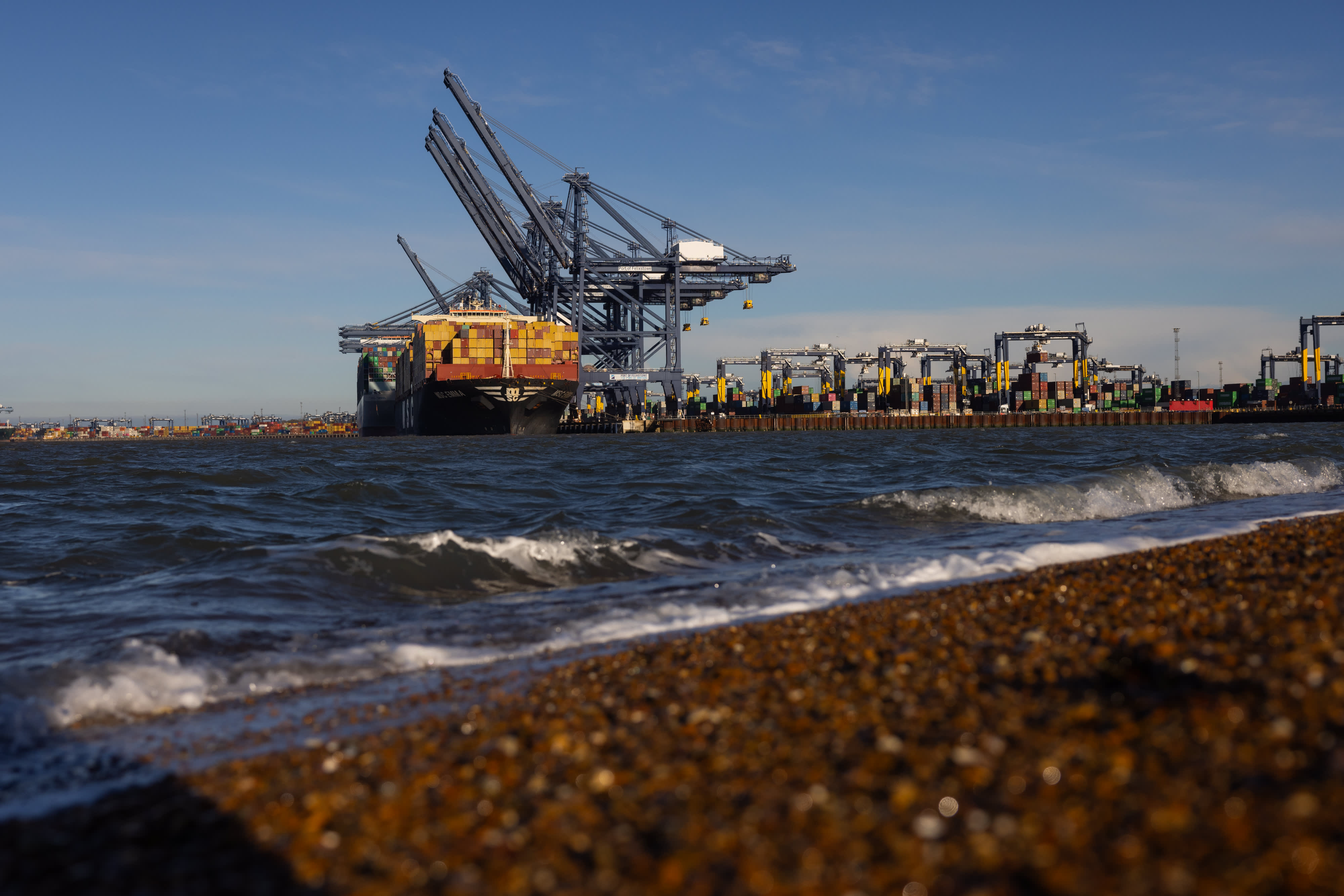
The latest UK trade data signals a fragile and uncertain environment for British exporters.
According to recent figures highlighted by the British Chambers of Commerce (BCC), nearly every key trade indicator declined in December. The volume of UK goods exports fell by **2.7%**, continuing a downward trend that is raising concerns across manufacturing and export-driven sectors.
For businesses that rely on cross-border trade, this is not just a statistical shift — it’s a warning sign that 2026 may demand a more strategic and diversified export approach.
---
## Breaking Down the Latest Trade Data
Here’s what the numbers show:
* **Goods exports fell 2.7% in December**
* Sales to the **EU dropped 1.8% year-on-year**
* Sales to **non-EU markets declined 3.6%**
* Goods imports rose 0.7% month-on-month
* Non-EU imports increased 4.3%
* EU imports fell 2.7%
Looking at the full year:
* Total UK exports grew modestly by **2% in 2025**
* Imports rose **3.4%**
* But goods exports specifically declined **2.1%**
* Goods imports increased **3.7%**
There is also a clear divergence between goods and services. While goods trade is weakening, services continue to show relatively stronger performance.
---
## Why Are Goods Exports Struggling?
Trade experts point to several contributing factors:
### 1️⃣ Geopolitical Tensions
Ongoing global instability continues to disrupt supply chains and dampen trade confidence.
### 2️⃣ Trade Policy Volatility
Frequent tariff changes, shifting regulatory frameworks, and uncertainty in trade negotiations make forward planning more difficult for exporters.
### 3️⃣ Cooling Export Growth Forecasts
The Office for Budget Responsibility has forecast slower export growth in 2026, suggesting that current headwinds may persist.
The key message from trade policy leaders is clear: 2026 must focus on lowering tariffs, removing non-tariff barriers, and strengthening trade promotion efforts.
---
## A Structural Shift: Goods vs Services
One of the most important takeaways is the split between goods and services:
* **Product exports are declining**
* **Service exports remain more resilient**
For UK businesses in:
* Engineering consultancy
* IT and software services
* Professional and advisory services
* Financial and business services
— international demand remains comparatively stronger.
However, for product-based exporters — particularly in manufacturing, food & beverage, automotive, construction materials, and industrial equipment — the environment is becoming more competitive and margin-sensitive.
---
## What This Means for UK Export-Ready SMEs
For SMEs in export-focused sectors, uncertainty increases operational risk.
Key challenges include:
* Fluctuating buyer demand
* Increased pricing pressure
* Competitive displacement from lower-tariff regions
* Slower contract cycles
If your business relies heavily on one or two overseas markets, this environment amplifies vulnerability.
---
## The Case for Market Diversification
Periods of trade volatility often reward businesses that diversify intelligently.
Rather than focusing solely on traditional markets, UK exporters should consider:
* Expanding EU relationships where demand remains stable
* Strengthening engagement in GCC and MENA markets
* Exploring Southeast Asia’s growing consumer and infrastructure demand
* Building distribution channels in emerging African markets
Diversification doesn’t eliminate risk — but it reduces exposure to single-market downturns.
---
## From Uncertainty to Strategy
Trade uncertainty does not automatically mean decline. It signals a need for:
* Stronger international visibility
* Better market intelligence
* Verified export positioning
* Structured buyer communication
* Professional digital representation
In volatile trade cycles, buyers become more selective. They prioritise suppliers who are credible, visible, and easy to evaluate.
Export readiness today is not just about logistics — it’s about positioning.
---
## Final Thoughts
The downward trend in UK goods exports is a reminder that global trade is dynamic and often unpredictable.
For UK exporters, the path forward is not retreat — it’s adaptation.
2026 will reward businesses that:
* Monitor trade policy changes closely
* Diversify beyond single-market reliance
* Strengthen digital discoverability
* Build resilient international relationships
Trade uncertainty may be hanging over the UK — but for prepared businesses, opportunity still exists.
Share:
About the Author